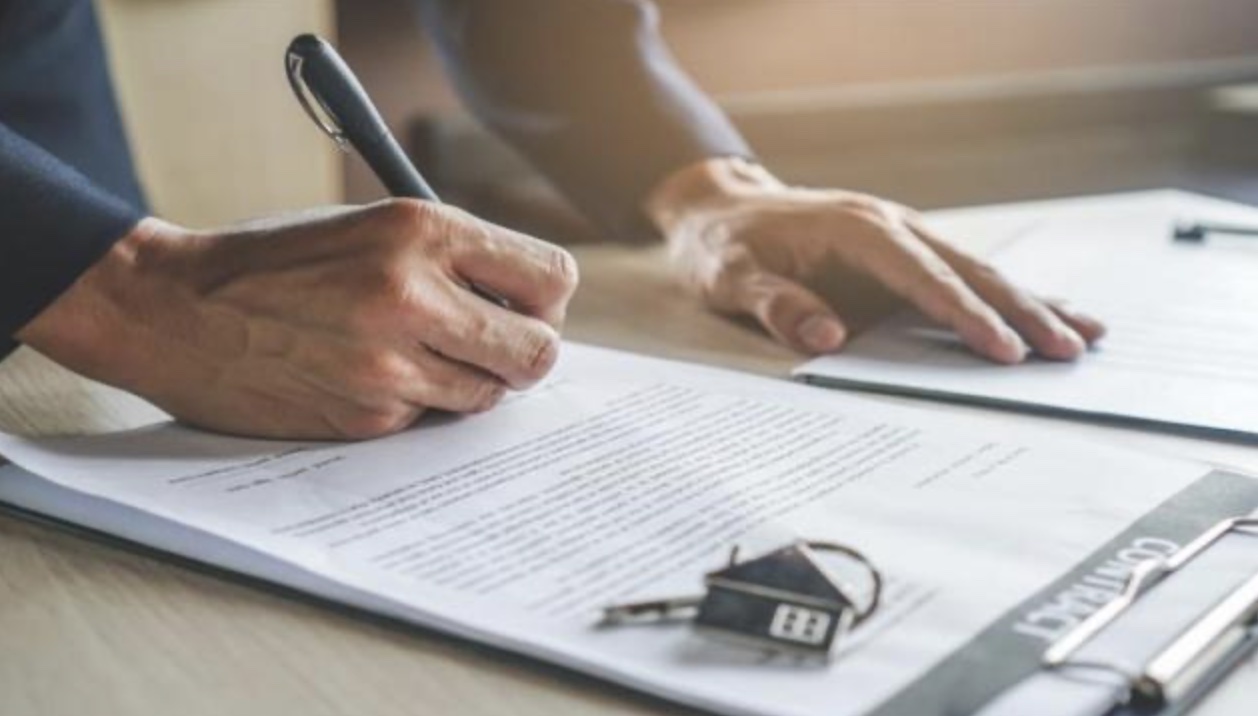
The Importance of Lease Renewals in Property Management
In real estate and property management, lease renewals are often one of the most overlooked opportunities to improve asset performance, reduce operational headaches, and increase long-term stability. While many owners focus heavily on acquiring new tenants, retaining quality tenants through strategic lease renewals can often provide greater financial and operational benefits.
A strong lease renewal strategy is not simply about extending occupancy — it is about protecting income, minimizing turnover costs, maintaining property condition, and creating predictability for both ownership and tenants.
Reducing Vacancy and Turnover Costs
One of the most immediate benefits of a lease renewal is avoiding vacancy. Every time a tenant moves out, ownership typically faces several direct and indirect expenses, including:
- Lost rental income during vacancy
- Marketing and advertising costs
- Leasing commissions or placement fees
- Cleaning and repair expenses
- Utility carrying costs
- Administrative time and operational disruption
Even a short vacancy period can significantly impact annual returns. In many cases, retaining a reliable tenant at a reasonable rent adjustment is more profitable than risking an extended vacancy while searching for a new tenant.
For example, if a property rents for $3,000 per month and sits vacant for just 30 days, ownership immediately loses $3,000 in gross revenue — before considering cleaning, repairs, and leasing expenses. A lease renewal can help eliminate many of these costs entirely.
Maintaining Consistent Cash Flow
Stable occupancy creates predictable cash flow, which is critical for property owners, especially investors managing multiple assets or mortgage obligations.
Lease renewals help:
- Stabilize monthly income
- Improve financial forecasting
- Reduce income fluctuations
- Strengthen long-term investment performance
For owners using rental income to offset financing costs or support portfolio growth, consistent occupancy can dramatically improve overall financial security.
Retaining Quality Tenants
Not all tenants are equal. A tenant who pays on time, communicates effectively, maintains the property, and respects lease terms becomes increasingly valuable over time.
When quality tenants renew:
- The property typically experiences less wear and operational disruption
- Management spends less time resolving issues
- Owners avoid the uncertainty of screening new applicants
- Neighbor and community stability improves
Replacing a proven tenant with an unknown applicant always introduces risk. A lease renewal allows owners to preserve a tenant relationship that has already demonstrated reliability.
Opportunity for Rental Adjustments
Lease renewals also create a natural opportunity to adjust rental pricing based on:
- Current market conditions
- Inflation and operating costs
- Property improvements
- Comparable rental activity
Strategic rent increases during renewal periods help ownership keep pace with the market while maintaining tenant retention.
In many cases, moderate and reasonable increases are more effective than aggressive pricing strategies that may push tenants to leave and create unnecessary turnover.
Strengthening Long-Term Asset Performance
Properties with stable occupancy histories are generally viewed more favorably from both operational and investment perspectives.
High renewal rates can contribute to:
- Stronger net operating income (NOI)
- Better portfolio stability
- Improved property valuation
- Reduced management inefficiencies
- Enhanced investor confidence
For multifamily and investment assets, occupancy consistency often plays a major role in long-term asset appreciation and overall portfolio performance.
Improving Tenant Relationships
The lease renewal process is also an opportunity to strengthen communication between ownership, management, and tenants.
Proactive renewal discussions allow property managers to:
- Address tenant concerns early
- Review property expectations
- Discuss maintenance items
- Reinforce positive relationships
Tenants who feel valued and communicated with professionally are often more likely to remain long term.
Timing Matters
One of the most important components of successful lease renewals is timing. Waiting until the last minute can create unnecessary pressure and uncertainty.
A proactive property management strategy typically includes:
- Reviewing lease expirations well in advance
- Evaluating market rents early
- Communicating renewal options proactively
- Allowing tenants sufficient time to make decisions
Early communication often results in smoother renewals and reduced vacancy exposure.
Final Thoughts
Lease renewals are far more than routine paperwork — they are a critical component of effective property management and real estate investment performance.
A thoughtful renewal strategy can:
- Protect cash flow
- Reduce operational costs
- Improve tenant retention
- Strengthen property performance
- Increase long-term investment stability
In today’s market, maintaining strong tenant relationships and minimizing unnecessary turnover can make a substantial difference in the overall success of a real estate portfolio. Owners and managers who prioritize lease renewals strategically are often positioned for stronger long-term results and more efficient operations.

Taso Spathos
REALTOR® | CA Lic. 02094226
Have questions or ready to invest? Reach out directly — I'm here to help.